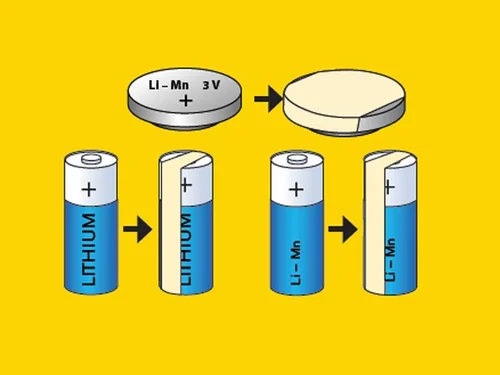
From 1 October there will be a non-compliance fee for incorrect sorting of batteries
To store batteries one can tape the poles of the batteries to prevent fires.
We all want a better environment and you who have construction waste have the choice! Instead of having a container with mixed waste, you can now buy 3 or 4 bags where you can put each type of construction waste in separate iSEKK bags, so that there are clean fractions (pure types of construction waste) in each iSEKK bag.
iSEKK has different types bags that are adapted to the different types of construction waste, see more information about the iSEKK bags in our product catalogue.
iSEKK collaborates with Norsk Gjenvinning on the treatment of waste collected by iSEKK in eastern Norway. Norsk Gjenvinning is a leading company within waste management in Norway, and has approved reception and treatment facilities for waste in a number of places.
To store batteries one can tape the poles of the batteries to prevent fires.
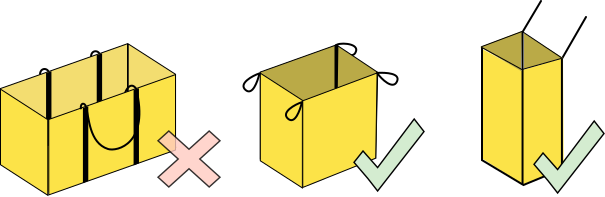
From the 1st of December 2022 iSEKK AS will no longer pick up Big bags with heavy materials (Such as stones, concrete, soil, gravel). The reason for this is the safety when the bags are being loaded for transport. Note that the Big iSEKK is labeled with: Not suitable for heavy materials. For Heavy materials we recommend the Standard iSEKK or the Trolley iSEKK. Both of these bags are very well suited for this type of waste.
iSEKK collaborates with Norsk Gjenvinning on the treatment of waste collected by iSEKK in Eastern Norway. Norsk Gjenvinning is a leading total supplier of waste management in Norway.
If you want more information about what happens to the waste after it has been delivered, you can use the links for the current waste type.
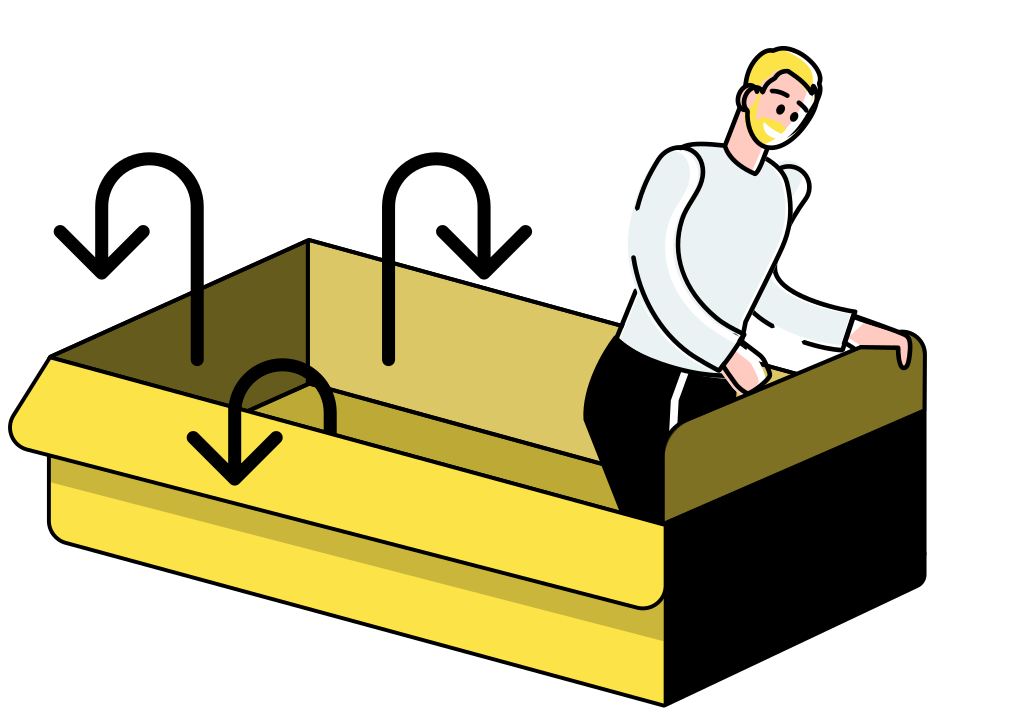
How to use the bag?
1. Put the bag up and fold down the sides.
2. Fill the bag with mixed or sorted waste
3. Order pickup at www.isekk.no

The list below shows what you’re NOT allowed to throw in iSEKK bags or containers.

18.03.2022: A demanding situation with increasing prices for both energy, fuel and raw materials means that we find ourselves forced to implement an extraordinary price increase on some of our goods and services. The prices for fuel alone have increased by 20% since December, which leaves a precarious situation, considering that fuel is one of the largest cost elements related to transport.